Debunking Top 10 Common Myths About Hearing Aids: What You Actually Need to Know
Despite remarkable advances in digital audio processing, outdated myths are one of the reasons which still prevent millions of people from addressing their hearing loss. Studies have shown that adults wait an average of 7 to 10 years after first noticing hearing changes before seeking professional care; largely due to lingering fears about bulky, whistling devices from decades ago.
Modern hearing aids are miniature, basically wearable computers designed to work seamlessly with your brain. Separating outdated fiction from current audiological reality is the first step toward protecting both your hearing and your long-term cognitive health.
Myth 1: Hearing Aids Are Only for Older Adults
The Reality: Hearing loss affects people across every age bracket, not just seniors. While age-related decline (presbycusis) is common, a growing proportion of people experiencing hearing difficulties are working professionals, students, and young adults. Early intervention in mild-to-moderate stages protects brain health and speech clarity.
- Everyday triggers: Prolonged headphone use at high volumes, noisy work environments, viral ear infections, certain medications (ototoxic), head trauma, and genetics all cause early-onset hearing loss.
- Why early action matters: Addressing hearing loss in your 30s, 40s, or 50s keeps your auditory nerve active and prevents workplace communication burnout.
Myth 2: Hearing Aids Are Bulky, Beige, and Immediately Noticeable
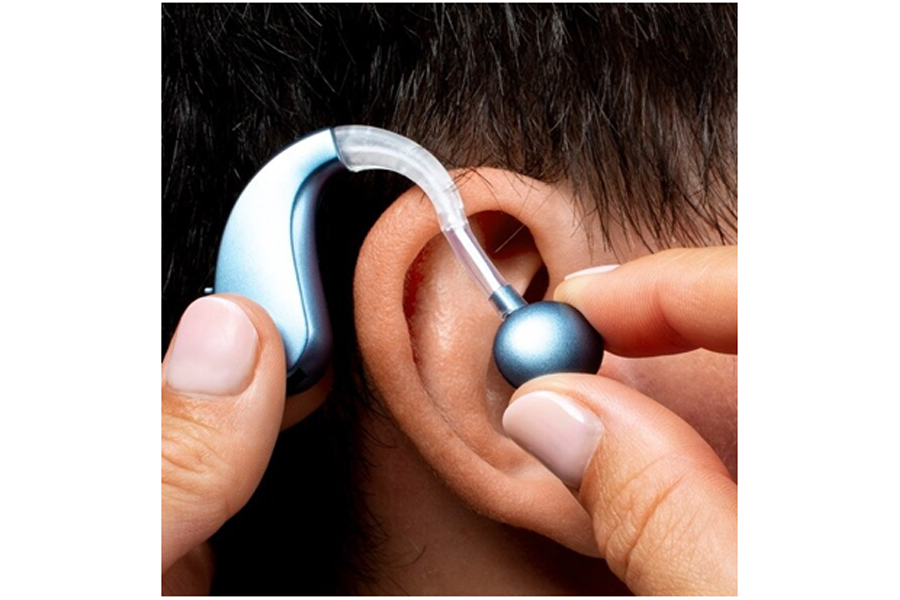
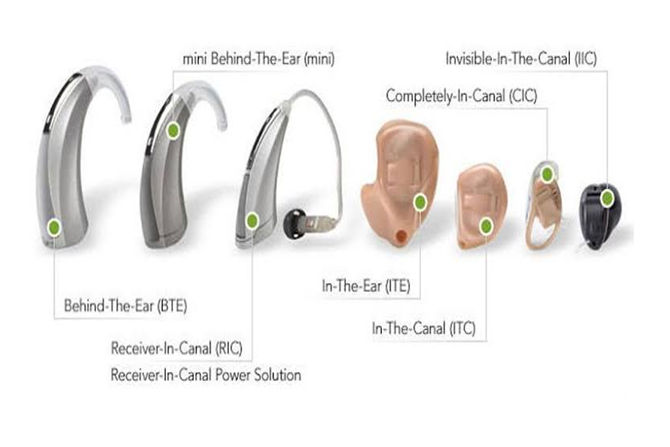
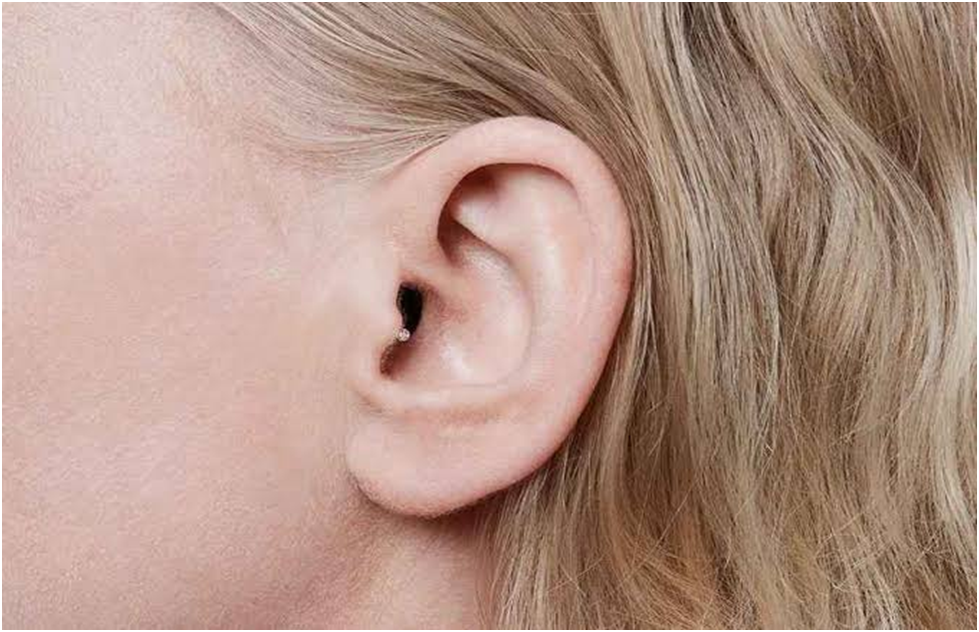
The Reality: The oversized, whistling devices of the 1980s and 1990s are long gone. Today’s hearing aids are basically technology based sleek, lightweight devices that can be engineered to blend with your skin tone, hair colour. Today hearing aids are available in varieties including near-invisible in-canal and slim behind-the-ear styles.
- Discreet form factors: Options range from slim Receiver-In-Canal (RIC) models with hair-thin wires tucked behind the outer ear to Completely-In-Canal (CIC) and Invisible-In-The-Canal (IIC) shells custom-moulded to sit deep inside your ear canal.
- The irony of visibility: Untreated hearing loss is a major issue; asking people to repeat themselves, answering questions inaccurately, or zoning out in group conversations is far more noticeable than wearing a modern micro-device.
Myth 3: Hearing Aids Just Make Everything Louder Including Background Noise
The Reality: Early analogue hearing aids acted like simple megaphones, amplifying traffic, clattering dishes, and voices equally. Modern digital hearing aids are wearable tech devices that use multi-channel processors and directional microphones to separate human speech from environmental noise.
- Smart sound processing: Built-in algorithms scan your surroundings hundreds of times per second, locking onto the voice in front of you while suppressing wind, fan hum, and restaurant clatter.
- Frequency-specific tuning: Instead of turning up all sounds, your audiologist programs the device to boost only the exact pitches your ears miss; usually soft consonants like s, f, th, and k that give speech its clarity.
Myth 4: You Only Need Hearing Aids If Your Hearing Loss Is Severe
The Reality: Waiting until hearing loss becomes severe actually makes treatment harder and less effective. Even mild or moderate hearing loss forces your brain to strain constantly to piece together incomplete words; a drain known as cognitive load.
- The brain connection: When your brain diverts extra energy just to decode basic speech, fewer mental resources remain for memory, focus, and comprehension.
- Long-term risks: Untreated mild-to-moderate hearing loss is closely linked to listening fatigue, social isolation, and accelerated cognitive decline. Fitting devices early preserves your brain's natural speech-recognition ability.
Myth 5: Hearing Aids Will Restore Your Hearing to 100% Normal
The Reality: Unlike prescription eyeglasses, which bend light to immediately sharpen your blurry vision to 20/20, hearing aids cannot repair damaged inner-ear hair cells or cure sensorineural hearing loss. Instead, they deliver optimized, clearer sound signals to your brain.
- The neuro-adaptation phase: If you have lived with gradual hearing loss for years, your brain has forgotten how everyday background sounds, like footsteps, running water, or paper rustling are supposed to sound.
- Patience pays off: Expect a 2-to-4-week adjustment window during which your brain relearns how to filter normal ambient noises while your audiologist fine-tunes your settings.
Myth 6: Wearing Hearing Aids Makes Your Ears "Lazy" or Weakens Natural Hearing
The Reality: Properly programmed hearing aids never damage your ears or cause your natural hearing to deteriorate faster. Your ears collect sound waves, while your brain interprets them. A 2-to-4-week adjustment period is needed as the brain relearns everyday sounds.
- Use it or lose it: When the auditory cortex is starved of sound stimulation over several years, it gradually loses the neural wiring needed to recognize certain words; a condition called auditory deprivation.
- Active stimulation: Consistent daily wear keeps your auditory pathways engaged, helping your brain retain its sharpness for speech processing.
Myth 7: One Hearing Aid Is Enough If You Have Hearing Loss in Both Ears
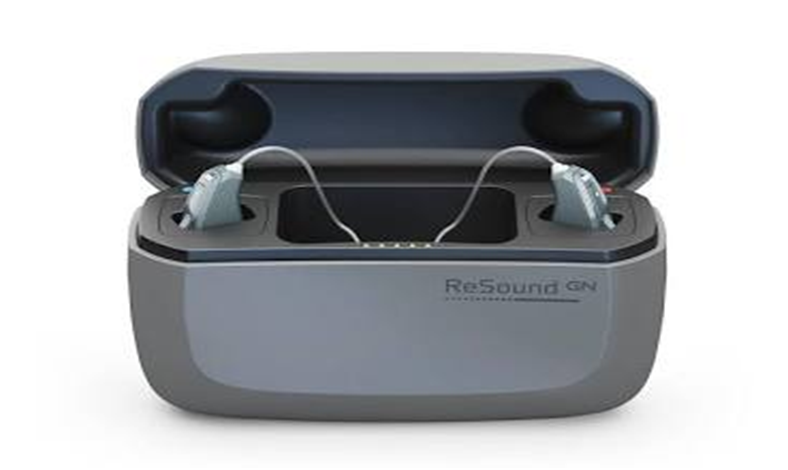
The Reality: Roughly 90% of people who need hearing aids have hearing loss in both ears (bilateral hearing loss). Your brain relies on tiny timing and volume differences between both ears to pinpoint where a sound is coming from. Wearing two devices; known as a binaural fitting is essential for natural spatial hearing essential for normal activities like crossing traffic safely or following group conversations.
- Sound localization: Your brain relies on microsecond timing and volume differences between both ears to tell which direction a car horn or voice is coming from.
- Better clarity at lower volume: Two hearing aids work together wirelessly, allowing each ear to receive a gentler, more comfortable volume while dramatically improving speech clarity in noisy rooms.
Myth 8: Hearing Aids Are High-Maintenance and Require Constant Battery Changes
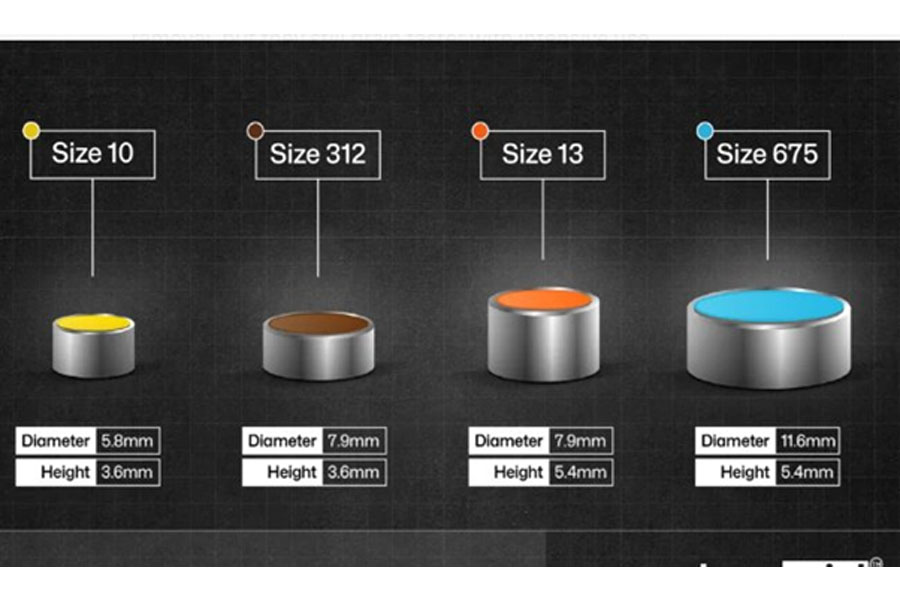
The Reality: Tiny, fiddly disposable zinc-air batteries are no longer the only option. Most modern digital hearing aids feature sealed lithium-ion rechargeable batteries that work just like wireless earbuds. Simple daily wiping and rechargeable overnight docks eliminate fiddly battery swaps.
- All-day power: A single overnight charge delivers 24 to 30 hours of continuous use, even with Bluetooth audio streaming.
- Built for real life: Contemporary devices feature protective nano-coatings against sweat, humidity, and dust, requiring only a quick nightly wipe with a dry cloth and periodic wax-guard replacement.
Myth 9: Hearing Aids Are Outdated Tech That Don't Connect to Smartphones
The Reality: Today’s hearing aids double as high-end wireless audio wearables. Equipped with Bluetooth Low Energy, they pair directly with Android and iOS smartphones, tablets, and smart TVs. Digital chips filter background noise and target missing speech frequencies.
- Hands-free convenience: You can stream phone calls, music, podcasts, and video audio straight into both ears with crystal clarity; eliminating the need to hold your phone up to your ear or crank up the TV volume for the whole household.
- Discreet app control: Dedicated smartphone apps let you adjust volume, switch between quiet and noisy environments, or locate a misplaced hearing aid right from your screen.
Myth 10: You Can Buy Any Cheap Amplifier Online Without a Hearing Test
The Reality: Generic personal sound amplification products (PSAPs) sold online without diagnostic testing simply increase raw volume across all frequencies without accounting for your unique hearing profile. Because most people lose high-pitched hearing even while retaining normal low-pitched hearing, blanket amplification makes background rumble louder and speech muddier.
- Risk of over-amplification: Un-calibrated devices lack safe maximum-output limits, meaning sudden loud noises can actually cause further noise-induced hearing damage.
- Precision calibration: A certified audiologist conducts a comprehensive pure-tone and speech audiogram, then uses Real-Ear Measurement to match the output to your exact ear anatomy.
| Myth Area | Outdated Assumption | Modern Audiological Reality |
|---|---|---|
| Age Group | Only seniors need hearing aids. | Affects adults of all ages due to noise, genetics, and health factors. |
| Appearance | Large, visible beige devices. | Near-invisible in-canal shells, slim behind-the-ear designs. |
| Sound Processing | Amplifies annoying background noise. | AI-driven directional microphones isolate speech and reduce noise. |
| Brain Health | Waiting until loss is severe is fine. | Early fitting reduces cognitive load and prevents auditory deprivation. |
| Power & Tech | Constant battery swaps and no connectivity. | Overnight rechargeable docks with direct Bluetooth phone/TV streaming. |
| Fitting Process | One-size-fits-all online amplifiers work. | Requires a diagnostic audiogram and custom clinical programming. |
If you frequently turn up the television volume, struggle to follow conversations in restaurants, or feel mentally drained after group meetings, booking a baseline hearing evaluation with a certified audiologist is the smartest next step. Modern hearing technology is built to keep you effortlessly connected to the voices and moments that matter most.